

The Department for Work and Pensions (DWP) has taken some of its online services offline after what it calls a cyber incident affecting its systems. It’s one of the most serious incidents to hit a UK government department in years, and the picture is changing by the hour. Here’s what has actually been confirmed so far, what hasn’t, and what any business can take from it.
This post reflects what was publicly known on the evening of 27 November 2026. We’ll update it as the investigation moves on.
What’s happened
In a statement on GOV.UK, the DWP said it had taken some online services offline as a precaution after identifying a cyber incident affecting its systems. Computer Weekly reports that the incident was detected on 26 November, when the services were first taken down.
The services affected are understood to include those used to manage Universal Credit, Personal Independence Payment (PIP) and pension applications. Universal Credit claimants have reported being unable to log in to their online accounts, including the journal they use to stay in touch with their work coach.
Work and Pensions Secretary Pat McFadden described it as a “serious cyber incident”, but said he couldn’t say more at this stage about what caused it.
What the DWP has told claimants
The DWP’s GOV.UK notice makes three practical points:
- Payments continue as normal. Benefit and pension payments are not affected, according to the department. (Some claimants have told the BBC they haven’t received payments they were expecting, according to Insurance Business, so it’s worth checking your account and chasing anything missing.)
- Nobody will be sanctioned for missing an appointment or being unable to update their circumstances while the services are down.
- Call your usual benefit line if you need help. Expect longer waits than normal.
Who’s investigating
The DWP says it’s working with the National Cyber Security Centre (NCSC), part of GCHQ, and the Government Cyber Coordination Centre (GC3) to investigate and restore services. The Information Commissioner’s Office says it is in contact with the department, which is standard when personal data could be involved.
Was it an attack?
That hasn’t been confirmed. Here’s where things stand:
- Downing Street has called the incident “live and ongoing” and won’t rule out a malicious actor. It said there was currently no evidence of customer data loss, and no evidence that other government departments had been targeted.
- David Knott, who led government technology until December 2025, said his “strong suspicion” is that it’s an attack. He pointed to the use of the word “cyber”, and to citizen-facing services being taken down, which suggested to him that an attack might have come “through the front door”.
- No one has claimed responsibility. As of 27 November, no credible public claim has been reported, and nothing publicly links the disruption to a particular group.
Until the investigation reports, anything more specific, whether that’s ransomware, a particular group or a particular way in, is speculation. We’d treat any article claiming to know more with caution.
Why “taken offline as a precaution” matters
The BBC’s cyber correspondent noted that the DWP’s wording echoes the Co-op’s in 2025, when it shut down its own systems as a “precaution” during the attacks on M&S, Co-op and Harrods.
Switching services off on purpose is painful, but it’s often the right call. If you suspect someone is inside your network, cutting off what they can reach limits how far they can spread and how much data they can take. It also makes the outage look much bigger to the people who rely on those services. That’s the trade-off the DWP has made: certain disruption now to avoid potentially much worse damage later.
What this means for your business
Most businesses aren’t running services for millions of people, but the same principles apply to an office of twenty.
Know what you’d switch off, and who decides. The DWP was able to isolate services quickly. In a smaller business, the question of who has the authority to pull the plug on email or the file server at 7pm on a Friday is often never asked until it’s needed. Write it down.
Know who you’d call. The DWP had the NCSC and GC3 on hand. You need the equivalent: your IT provider, your cyber insurer’s incident line, and a clear route to the ICO if personal data might be affected. The NCSC’s guidance on incident management is a good place to start building that plan.
Plan how you’ll keep talking to customers. Notice what the DWP told people first: payments continue, nobody will be penalised, here’s the number to call. Clear, practical messages like that stop a technical problem turning into a reputation problem. Have a way to reach your customers that doesn’t depend on the systems you might have to switch off.
Make sure you can recover. Taking systems offline is only survivable if you can bring them back cleanly. That means backups that are tested and kept separate from the systems they protect.
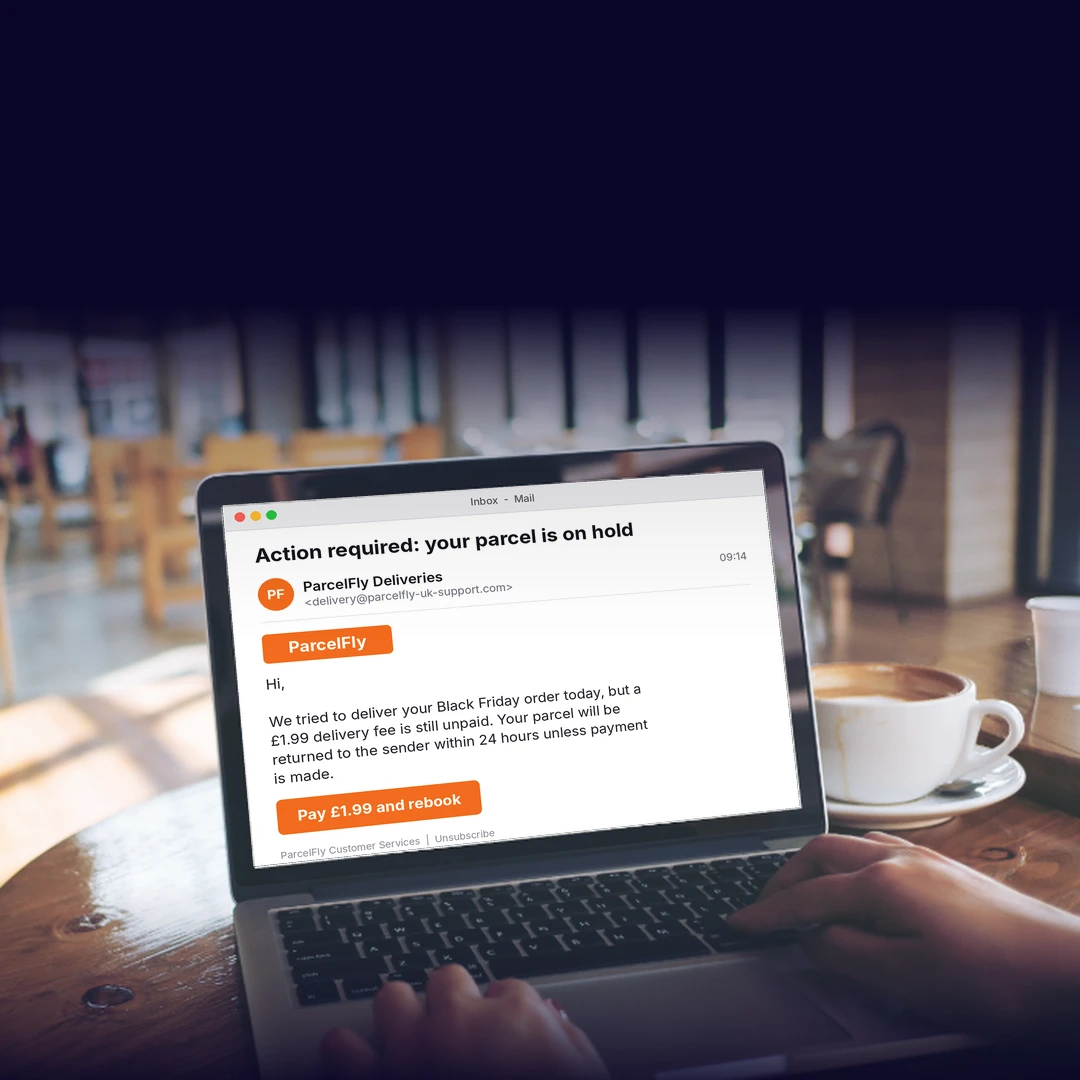
Watch out for scams riding on the news. Big incidents are a gift to fraudsters. Expect emails, texts and calls that mention the DWP outage and ask people to “verify” their details or click a link. If something looks suspicious, the NCSC explains how to report it, and you can forward suspicious emails to [email protected].
How we help
If your business was hit tomorrow, would you know who to call and what to switch off? That’s what our incident response service is for. With our fully managed IT support, our 24/7 security operations centre watches for suspicious activity around the clock, and daily Microsoft 365 backups mean there’s something clean to restore from. And because it’s all one per-user, per-month package, you’re not working out what you can afford in the middle of an incident.